How to Start Collecting Movie Cells Without Wasting Money or Buying Fakes

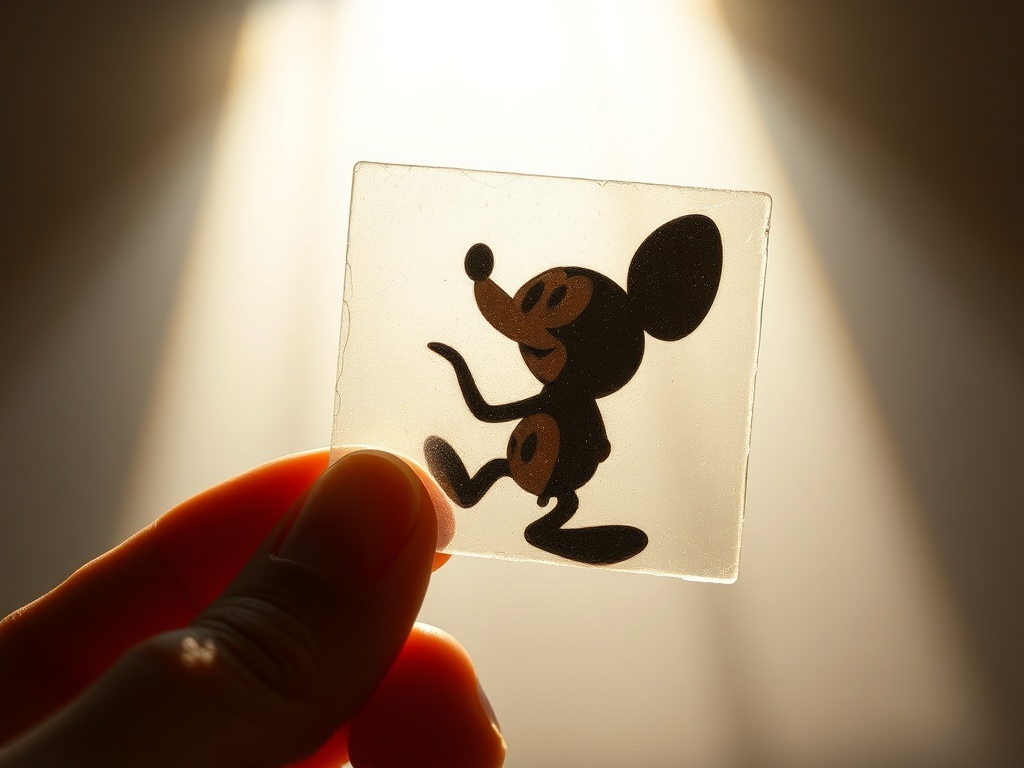
There’s a moment every collector remembers: the first time you hold a real piece of animation history up to the light. A movie cell isn’t just plastic and paint—it’s a frame that actually lived inside a film you love. But here’s the problem: this hobby is full of overpriced listings, questionable authenticity, and beginner mistakes that can quietly drain your budget.
This guide cuts through that. If you want to build a collection that actually means something—and holds value—here’s how to do it properly.
Step 1: Understand What You’re Actually Buying
Not every “movie cell” you see online is the real deal. The term gets thrown around loosely, especially in Disney and anime markets.
Real production cels were used in the animation process itself. These are hand-painted sheets layered over backgrounds and photographed frame by frame.
Then there are:
- Sericels – mass-produced reproductions, often licensed but not unique
- Limited editions – numbered prints, sometimes hand-finished
- Modern replicas – decorative, not collectible in the same way
If your goal is collecting with long-term value, you want original production cels or extremely limited, studio-certified pieces.
Step 2: Pick a Focus Before You Spend a Dollar
The fastest way to burn money is buying random pieces because they look cool in the moment. Every serious collector eventually narrows their focus.
Ask yourself:
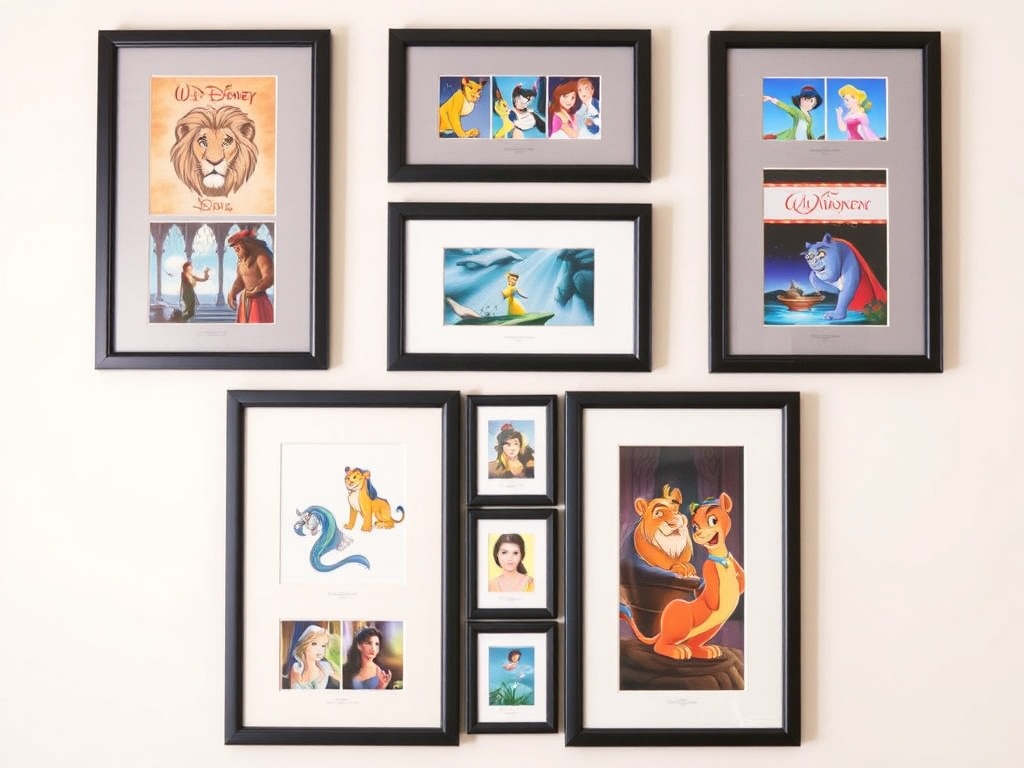
- Do you want Disney Renaissance films like The Lion King or Aladdin?
- Are you drawn to specific characters (Mickey, Ariel, Simba)?
- Do you prefer iconic scenes over generic frames?
A focused collection does three things: it looks better on display, it’s easier to curate, and it holds stronger resale value.
Step 3: Learn to Spot Authenticity (This Is Where Most People Mess Up)
Authenticity is everything. A fake or misrepresented cel can look convincing in photos—but there are tells.
Look for these signs of a real production cel:
- Hand-painted details (not printed dots under magnification)
- Registration holes along the edge
- Layering marks or slight paint imperfections
- Studio seals or certificates (not always present, but helpful)
Red flags:
- Perfectly identical multiples of the same “unique” cel
- Glossy, poster-like finishes
- Vague descriptions like “inspired by” or “studio style”
When in doubt, assume it’s not authentic until proven otherwise.
Step 4: Buy From Places That Don’t Feel Sketchy
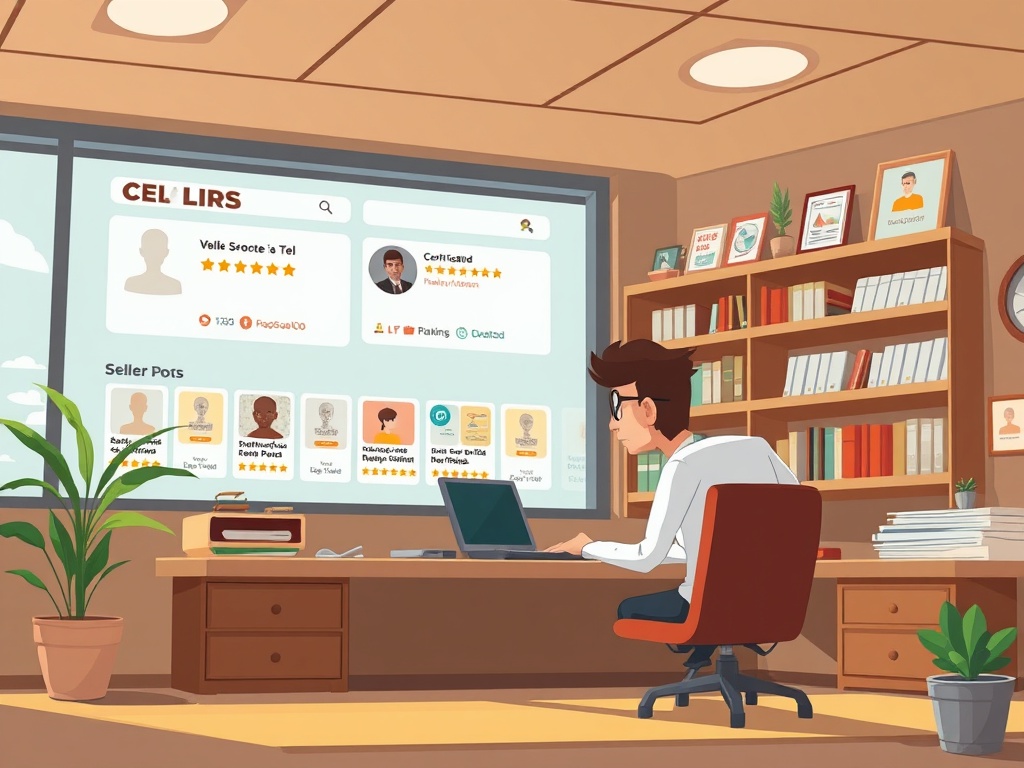
You don’t need insider access—but you do need to be selective.
Best sources:
- Reputable auction houses (Heritage, Profiles in History)
- Established animation art dealers
- Collectors’ communities and forums
Places to approach carefully:
- eBay (great deals exist, but so do fakes)
- Random online stores with no provenance info
Rule of thumb: if the seller can’t clearly explain where the cel came from, walk away.
Step 5: Understand Pricing Before You Get Played

Prices vary wildly depending on character, scene, and rarity.
Here’s a rough reality check:
- Minor characters or generic frames: $100–$300
- Recognizable characters: $300–$1,000
- Iconic scenes or main characters: $1,000–$5,000+
A cel of Simba mid-roar from a key scene will always command more than a background frame with no main character.
Compare multiple listings before buying. If something feels underpriced, question it. If it’s overpriced, wait—another one will surface.
Step 6: Protect Your Investment Properly
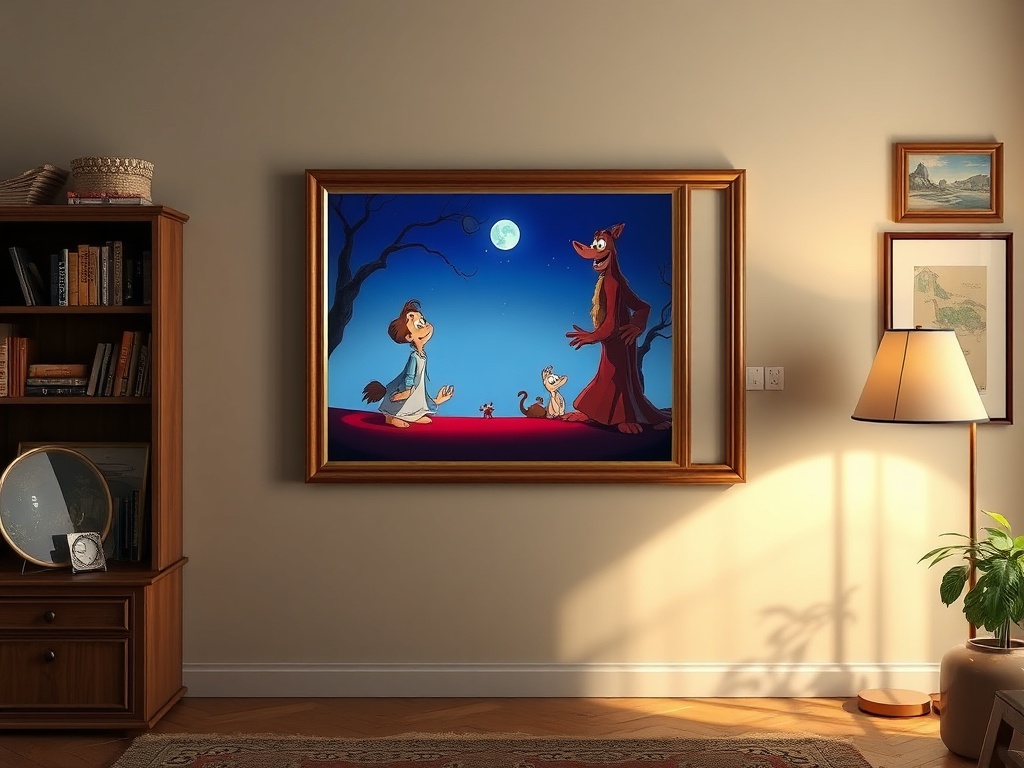
Once you own a real cel, how you store it matters just as much as what you bought.
Do this:
- Use UV-protective glass when framing
- Keep it out of direct sunlight
- Store in stable temperature and humidity
- Use acid-free mats and backing
Avoid this:
- Cheap frames with no UV protection
- Basements or attics with fluctuating conditions
- Stacking cels directly on top of each other
Paint on cels can stick, fade, or crack if neglected. Preservation isn’t optional—it’s part of collecting.
Step 7: Build a Collection That Actually Tells a Story
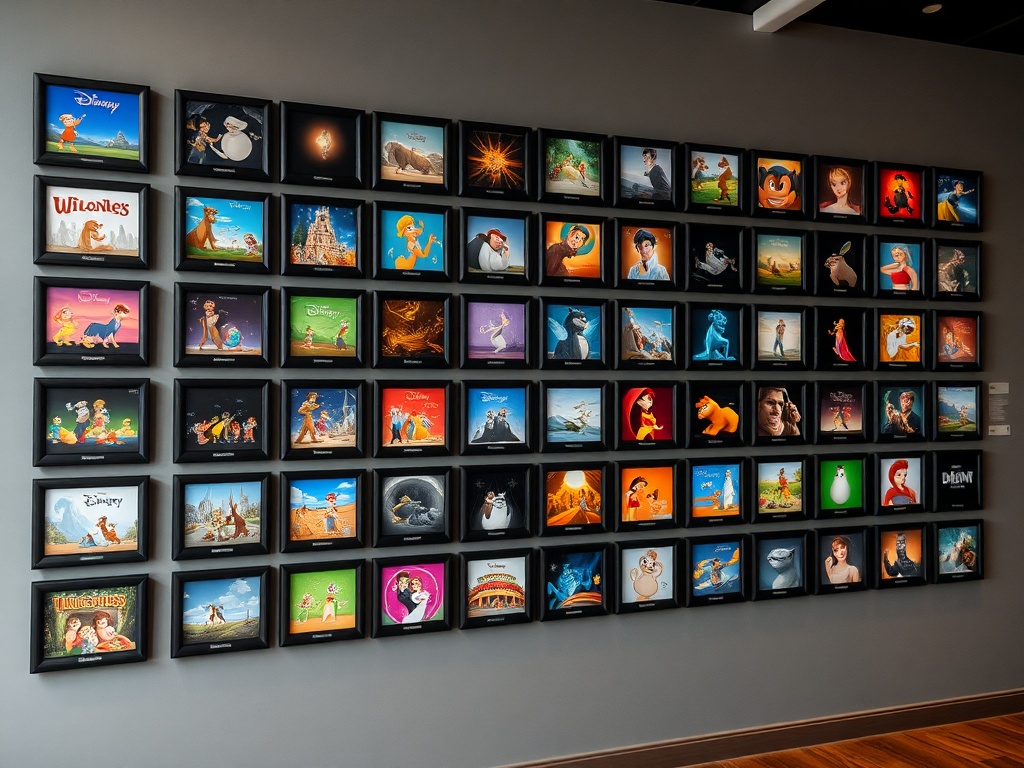
The best collections aren’t just valuable—they’re intentional.
Instead of chasing random deals, think in themes:
- A timeline of a single film
- A character’s evolution across scenes
- A curated set of iconic Disney moments
This is where collecting becomes more than buying. It becomes storytelling.
Step 8: Know When to Upgrade (and When to Sell)
Every collector eventually replaces early purchases. That’s normal.
As your eye improves, you’ll notice which pieces feel weaker. Selling those to fund better acquisitions is part of the game.
Don’t get attached to everything. Keep the pieces that still excite you—and let the rest go.
Step 9: Connect With Other Collectors

This hobby gets better when you’re not doing it alone.
Communities help you:
- Verify authenticity
- Discover trusted sellers
- Spot fair pricing
You’ll also see what serious collections look like—and that changes how you buy.
Step 10: Be Patient—The Right Piece Always Shows Up
The biggest mistake beginners make is rushing. Buying something “good enough” usually leads to regret.
The best collectors wait. They pass on dozens of pieces until the right one appears—and when it does, they’re ready.
That patience is what separates a random collection from one that actually stands out.
Final Thoughts
Collecting movie cells is one of the most satisfying corners of pop culture collecting—but only if you approach it with intention.
Focus beats volume. Authenticity beats convenience. Patience beats impulse.
Get those right, and you won’t just own pieces of animation history—you’ll build a collection that feels like it matters.