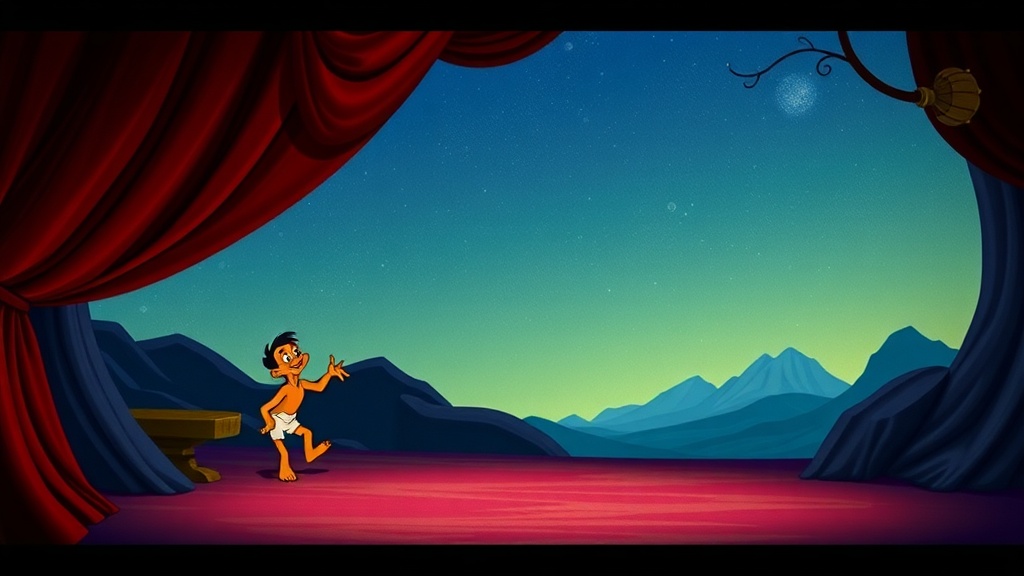
Rare Hand-Painted Animation Cels from the Golden Age

The Magic of Hand-Painted Layers
Iconic Characters of the 1930s and 40s
Identifying Authentic Vintage Production Cels
Imagine holding a single sheet of clear celluloid where Mickey Mouse’s smirk is rendered in hand-painted gouache, knowing that this exact piece of plastic once sat under a heavy camera lens to create a frame of history. These are not just drawings; they are the physical DNA of the Golden Age of animation. This post breaks down the specific characteristics of high-value hand-painted cels from the 1930s through the 1950s, explains how to identify authentic production art, and looks at the market value of these pieces for serious collectors. If you're looking to move beyond basic merchandise and into the world of actual production history, understanding the difference between a production cel and a limited edition is your first step.
What Makes a Hand-Painted Animation Cel Valuable?
The value of a hand-painted animation cel is primarily determined by its production status, the character's expression, and the historical significance of the film it originated from. Collectors generally prioritize "production cels"—the actual sheets used in the making of a film—over "sericels" or limited edition reproductions. A production cel is a one-of-a-kind artifact. It was physically present in the studio during the filming process. When you look at a piece from a Disney classic like Snow White and the Seven Dwarfs, you aren't just looking at art; you're looking at the actual medium used to build the illusion of life.
There are several factors that drive the price of these items up or down. It’s a bit of a science, really. You have to look at the "setup." A setup includes the cel itself, the hand-painted background (often called a "key" or "master" background), and sometimes the registration numbers written on the edges. A cel with a character looking directly at the viewer is almost always more valuable than one where the character is looking away or is partially obscured by an object. (Side note: always check the character's eyes. A clear, bright expression is the gold standard for collectors.)
Here is a breakdown of the different types of animation art you will encounter in the market:
- Production Cels: The actual, one-of-a-kind art used in the animation process.
- Production Backgrounds: The hand-painted scenery used behind the cels. These are incredibly rare and expensive.
- Limited Edition Cels: These are modern recreations made for the collector market. They are beautiful, but they lack the historical "DNA" of a production piece.
- Sericels: These are silk-screened prints on acetate. They are decorative, but they hold very little value for serious historians.
If you're just starting out, I highly recommend reading my guide on how to start collecting movie cells without wasting money or buying fakes. It covers the technicalities of spotting a reproduction versus a real piece of history.
How Much Does a Vintage Disney Production Cel Cost?
A vintage Disney production cel can cost anywhere from $500 to over $50,000 depending on the era, the character, and the presence of an original background. Price points are rarely fixed because the market is driven by scarcity and demand from high-end auction houses. A standard cel of a minor character from a 1940s film might only fetch a few hundred dollars. However, a center-frame shot of a main character like Cinderella or Pinocchio can easily reach five figures at a specialized auction.
To understand the pricing-tier system, look at this comparison of typical market segments:
| Tier | Typical Character/Film | Estimated Price Range | Value Driver |
|---|---|---|---|
| Entry-Level | Minor characters or 1980s/90s era | $200 - $800 | Ease of acquisition |
| Mid-Tier | Supporting characters from Golden Age | $1,000 - $5,000 | Era and character recognition |
| Protagonists (Mickey, Snow White) | $7,000 - $25,000+ | Historical importance | |
| Museum Quality | Iconic scenes with original backgrounds | $50,000+ | Extreme rarity/One-of-a-kind |
It’s important to note that "era" is everything. The Golden Age (roughly 1930s-1950s) is the most expensive because the techniques used—like hand-painted gouache on heavy acetate—are much more labor-intensive and the pieces are much older. As animation moved toward more streamlined processes, the "prestige" of the individual cel sometimes shifted. If you're looking for a piece that will hold its value, always aim for the earlier, more manual eras of production. You can research more about the history of animation techniques on the
Another way to check is the "feel" of the paint. On a real production cel, the paint is applied to the back of the acetate sheet. This means the color is on the reverse side, and the ink/linework is on the front. If you look at the front, you should see the black ink lines that define the character. If the ink looks "printed" or too perfect, it might be a modern reproduction. Also, look for "paint lifting." Over decades, the paint on old cels can sometimes crack or flake away from the plastic. While this is a sign of age, it's also a sign of a real, old piece of celluloid. Modern fakes often try to look "perfect," which is actually a giveaway.
The physical condition is also a massive factor. If you've already purchased a piece, you need to be careful about how you display it. I've written extensively about protecting your vintage Disneyana from sunlight damage because UV rays are the number one killer of hand-painted art. The pigment in the gouache can fade or even change color if left in direct light.
Here are three quick checks for your collection:
- The Edge Check: Look for hand-written production numbers (e.g., "A-12" or "54") on the edges of the cel.
- The Light Test: Hold the cel up to a light source. You should see the thickness of the paint on the back of the sheet.
- The Background Check: Is the background a printed "reproduction" background or a hand-painted one? A hand-painted background will have visible brushstrokes and texture.
The world of hand-painted cels is a deep, often complex one. It's a blend of art history and high-stakes collecting. Whether you're looking for a centerpiece for your office or a small piece of Disney history to start a collection, always prioritize the quality of the character and the era of production. The more manual the process was, the more valuable the piece will likely be. It's a tangible connection to the animators who literally hand-drew the magic we see on screen.